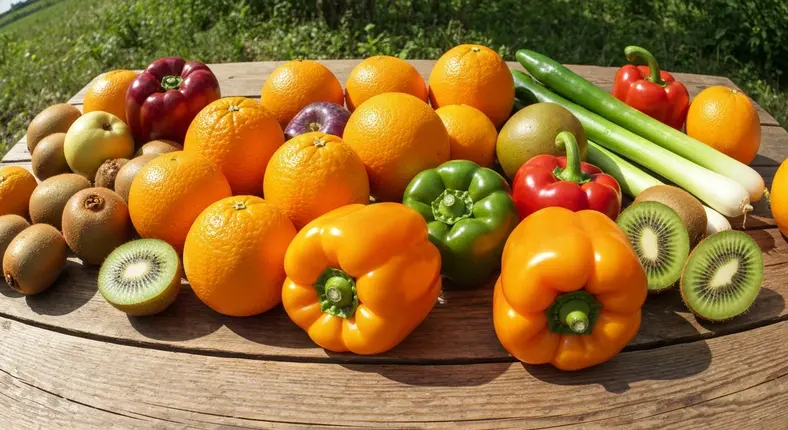
Welcome to your full guide on vitamin C! This strong vitamin is an essential nutrient. Your body can not make it by itself. You need to get it from what you eat or from supplements. Vitamin C helps you stay healthy. When you know why your daily intake matters, you can feel better, fight off colds, and help your skin look good. Let’s look at what you need to know about this vital nutrient.
The vitamin C intake you get is important. It helps give your immune system a boost, and it makes your skin healthy too. If you take the recommended daily intake, your body will do a better job at fixing tissues and taking in iron. If you don’t get enough, vitamin C deficiency may happen for a long time, you will feel tired, and joint pain can show up as one of the bad symptoms.
To get vitamin C, you can eat citrus fruits, bell peppers, or broccoli. These foods are easy to find. If your daily intake from food is still not enough, you can use vitamin C supplements to stop deficiency from happening.
Role of Vitamin C in the Human Body
Vitamin C is another name for ascorbic acid. It is important for many things in your body. This nutrient helps your body grow, build, and fix tissues. If you do not get enough of it, some important body work might not go right.
Vitamin C helps make your blood vessels stronger. It supports your immune system too. The vitamin works to protect cells so they can stay healthy. This be important for the body as it helps fight off sickness. Next, we will talk about what vitamin C does for your body. We will also talk about its antioxidant properties.
Key Functions and Mechanisms of Action
Have you ever thought about how the body builds itself or heals after an injury? Vitamin C plays a big part in this, mostly because it helps with collagen production. Collagen is an important protein that gives strength and shape to your skin, ligaments, and tendons. The body needs enough vitamin C to make this key protein.
This link to collagen shows why vitamin C is needed for wound healing. When you get a cut or injury, your body acts fast to fix the tissue. Good levels of vitamin C help this healing work well and fast, helping you get better sooner.
In the end, these things are key to your well-being. Vitamin C helps with collagen production and wound healing. It keeps your skin, bones, and blood vessels healthy. Making sure you have good levels of vitamin C is a simple way to look after your body’s basic health and strength.
Importance for Growth, Repair, and Immunity
Vitamin C is very important for your body’s growth and repair. It helps your body build healthy connective tissue, like your skin and the cartilage in your joints. If you do not get enough of it, you may feel joint pain because the connective tissue is not as strong.
Your immune system needs vitamin C to work well. It helps your body make more white blood cells. These cells are the main way your body fights germs and keeps you healthy. Vitamin C is like fuel for your body’s fighters, keeping them strong and always ready to protect you.
Keeping enough vitamin C in your diet is good for your overall health. It helps the body fight off illness and heals tissue. Vitamin C also helps with the parts of your body that keep you whole and strong. All of these things show how valuable vitamin C is for staying healthy each day and for your future health.
Antioxidant Properties and Free Radical Protection
Your body is always dealing with unstable molecules known as free radicals. These free radicals can come in through things like pollution, UV rays, or even from normal body processes. When there are too many of these in your body, it can lead to something called oxidative stress. This oxidative stress can hurt your cells.
Vitamin C is great for fighting free radicals. A free radical is an unstable molecule. Free radicals can hurt your cells. Vitamin C gives an electron to these unstable molecules. This helps stop them from doing damage to your body. Vitamin C also protects your cells and keeps them safe.
This protective action is one of the best benefits of vitamin C for your overall health. Vitamin C can reduce oxidative stress in the body. When you have less oxidative stress, you have a lower chance of getting chronic diseases. It also slows down how fast your cells age. Vitamin C is a key part of your body’s defense against things that can harm you, both from the outside and inside.
Core Benefits of Vitamin C for Overall Health
Vitamin C gives many health benefits. It helps your body in many ways. These include boosting your immune response and making your skin look better. You need to get the right amount of vitamin C for your body to work well. A balanced diet with enough vitamin C is the best way to enjoy its benefits.
Making sure you get enough each day can really help your health. It can make you feel more active, help the body stay strong, and also help you look healthy. Let’s look at some key ways vitamin C can be good for us when we have enough in the body.
Boosting Immune System Function
One of the best benefits of vitamin C is how it helps your immune system. It works by helping your body make more white blood cells. These cells, called lymphocytes and phagocytes, help protect you from infections and keep you healthy.
Vitamin C helps white blood cells work better. It also keeps them safe from harmful things like free radicals. This vitamin acts like a shield. It lets your immune cells do their job well and not get weak.
Vitamin C is a key part of the skin’s defense system. The body sends it to the skin, where it works as something that fights off damage. It also helps make the skin’s barriers stronger. By helping the immune system in these ways, vitamin C can keep you healthy.
Enhancing Iron Absorption and Preventing Anemia
Did you know that vitamin C helps your body take in iron? It works well with plant foods. Iron is important, because it helps make hemoglobin in red blood cells. Hemoglobin helps carry oxygen from the lungs to all parts of your body.
If you follow a vegetarian or vegan diet, this can be very helpful for you. The iron in plants, called non-heme iron, does not get into the body as well as the iron you get from meat. If you eat vitamin C with foods that have a lot of iron, your body will take in much more iron.
Vitamin C helps the body take in iron better. This can stop iron deficiency anemia, which means the body does not make enough red blood cells. Signs of this problem are tiredness, feeling weak, and trouble catching your breath. A good way to keep iron in your body is to eat foods with iron and vitamin C together. This can help you feel more active, and it supports healthy iron absorption and red blood cells.
Promotion of Healthy Skin and Collagen Formation
If you want your skin to look bright and feel young, vitamin C can help. One of the main things vitamin C does for your skin is help with collagen production. Collagen is the protein that keeps your skin firm and smooth. As you get older, your body makes less collagen. Eating foods with a lot of vitamin C can help your body keep making collagen.
Vitamin C is important for wound healing because it helps your body make collagen. When you have even a small cut or a bigger injury, you need vitamin C to help build new tissue. The body will use vitamin C to repair itself the right way. A good amount of vitamin C helps your skin heal well and fast.
You do not need to eat just oranges for vitamin C. A lot of vegetables are full of this nutrient that is good for your skin. Brussels sprouts and bell peppers are good choices. If you eat these, you help your skin be healthy from the inside. This shows one of vitamin C’s top health benefits.
Vitamin C Benefits for Chronic Disease Prevention
Besides what it does every day, vitamin C can help keep you safe from long-term health problems. A lot of chronic diseases, like heart disease, may come from something called oxidative stress. Vitamin C is a strong antioxidant. It fights off this cell damage. This may lower your chance of getting these health issues.
Vitamin C helps your body stay healthy by fighting off harmful free radicals. This helps in keeping your overall health good and makes you stronger against chronic diseases that may show up after many years. Now, we will look at what research says about how vitamin C can help stop certain chronic diseases, including heart problems and issues with the eyes.
Heart Health and Risk Reduction
Taking care of your heart is very important for your health as you get older. Getting enough vitamin C may help with this. Studies say that a higher vitamin c intake is linked to a lower risk of heart disease. One way it helps the heart is by working to manage high blood pressure.
Studies show that vitamin C might help relax the blood vessels that take blood from the heart. This can help lower blood pressure. You should not stop taking your medicine if your doctor told you to use it. But eating foods with vitamin C is good for your heart and helps with wellness.
Vitamin C has antioxidants that help stop LDL (“bad”) cholesterol from being damaged. This step is important because damaged LDL can lead to hardening of the arteries. Vitamin C also helps lower blood pressure. By doing these things, it helps keep your heart healthy.
Cancer Prevention Research and Evidence
The link between vitamin C and cancer is not simple to understand. Many people and groups have studied if eating a lot of vitamin C from fruits and vegetables is tied to a lower risk of getting some types of cancer. People say this could be because vitamin C is an antioxidant. It helps protect cells from DNA damage.
The information about vitamin c supplementation is not that clear. Eating foods with a lot of vitamin c seems to help protect us. But using high-dose vitamin c supplements does not always stop cancer in people. This is because the nutrients in whole foods work together to give health benefits.
High-dose vitamin C that is given through an IV is being tested to see if it might help treat cancer. This is not the same as taking vitamin C by mouth, and it should be done only under a doctor’s close watch. For most people, experts still say that eating a lot of fruits and vegetables is the best way to prevent cancer.
Effects on Eye Health and Age-Related Macular Degeneration
Your eyes get a lot of oxidative stress since they use a lot of oxygen and are often exposed to light. This can cause damage that may lead to age-related eye problems. Vitamin C is a strong antioxidant that helps protect the soft cells in your eyes.
Large studies, like the Age-Related Eye Disease Study (AREDS), show that some supplements can help slow down age-related macular degeneration (AMD). AMD is one of the main causes of people losing vision as they get older. These supplement formulas often have vitamin C. They also use other antioxidants, such as vitamin E and zinc, to help people with this eye disease.
Vitamin C on its own might not stop eye disease from happening. Still, it, along with other nutrients, works hard to keep your eyes safe. If you eat foods high in vitamin C and other things that fight harmful stuff in the body, you help your eyes stay healthy for many years. This can lower your chances of having problems with your vision when you get older.
Vitamin C Foods: Natural Dietary Sources
The best way to get enough vitamin C is to eat more fresh fruits and vegetables. Nature puts this essential nutrient in many foods that taste good. When you eat whole foods, you get vitamin C, fiber, other vitamins, and other good plant stuff at the same time.
While dietary supplements may help a few people, most can get what they need with better food choices. Are you interested in knowing which foods are the best for you? Let’s look at the top fruits and vegetables, so you can add more vitamin C to your meals in an easy way.
List of Fruits High in Vitamin C (e.g., guava, oranges, lemons)
When people think about vitamin C, many think of citrus fruits like oranges and lemons first. That is because these are really good sources of vitamin C. A medium orange can give you a big part of what you need for vitamin C each day. A glass of orange juice is also a common way for people to get some vitamin C.
But the world of vitamin C-rich fruits is bigger than just citrus fruits. Many people may not know that some tropical fruits give you even more vitamin C. Guava is a good example. In the same amount, it has more than twice the vitamin C that you get from an orange.
To get many tastes and add some new foods, try adding these fruits to your diet
- Kiwis
- Strawberries
- Papaya
- Cantaloupe
Vegetables Rich in Vitamin C (e.g., bell peppers, broccoli)
Don’t forget to eat your veggies when you want more vitamin C. A lot of common vegetables have plenty of this vitamin. Green peppers are great for you. Bell peppers really shine here. Red bell peppers, in particular, have almost three times as much vitamin C as an orange. Even green peppers have a lot of vitamin C, so they are a good source for it.
Cruciferous vegetables are good for you. Broccoli is not only high in fiber with many nutrients, but it also gives a strong amount of vitamin C. Brussels sprouts and cabbage are also great if you want more vitamin C in your diet.
To get the most out of eating vegetables, try to add these to your meals every week
- Broccoli
- Red and green bell peppers
- Brussels sprouts
- Cauliflower
Indian Diet Tips for Meeting Vitamin C Requirements
Eating enough vitamin C is easy when you follow a traditional Indian diet. Many of the foods you use every day are rich in this vitamin. The best way to meet your daily intake is to have a balanced diet. Try to eat different fresh fruits and vegetables every day. This helps you get all the vitamin C you need.
Simple changes can help your health in a big way. Try squeezing fresh lemon or lime juice on dals, sabzis, and salads. This is a common practice in India and can help your food have more vitamin C. Also, adding a small side of fresh, uncooked vegetable salad to your lunch or dinner is a good idea. This gives you extra nutrition in your meal.
Here are some easy tips to stop deficiency by eating Indian foods
- Add amla (Indian gooseberry), which is one of the richest sources, to your diet as juice or as a pickle.
- Use a lot of tomatoes and coriander leaves when you cook.
- Snack on seasonal fruits like guava and oranges.
- Eat some raw cabbage or bell pepper salad with your meals.
Understanding Vitamin C Tablets and Supplements
It is always good to get nutrients from food first. But vitamin c supplements can help you reach your recommended daily intake. Some people have higher needs or cannot eat the right foods. For them, supplements are a good way to get this important nutrient and meet their daily intake.
These supplements can help increase the absorption of iron from other supplements or from plant foods. If you are thinking about taking a new supplement, it’s best to learn about the kinds that are out there. You also need to know when you might need them.
Types of Vitamin C Supplements Available in India
In India, there are many vitamin c supplements on the market. The most popular type is ascorbic acid. This kind is the same as the vitamin c we get from food. It is usually well absorbed by the body and does not cost too much.
You may find dietary supplements that have other types of vitamin C, like sodium ascorbate or calcium ascorbate. People call these “buffered” vitamin C. These have less acid, so they are kinder to your stomach. If you feel sick to your stomach from pure ascorbic acid, you may feel better with these. A lot of people also choose vitamin C with bioflavonoids. These bioflavonoids come from fruits and may help your body take in vitamin C better.
These supplements come in several forms. You can find them as chewable tablets, dissolvable tablets, capsules, and powders. The amounts of vitamin C in each one can be different. Some have as little as 100 mg, while others have 1000 mg or more. This means you can pick the dose that fits your own needs.
When to Consider Vitamin C Tablets
Most people who have different kinds of foods with lots of fruits and vegetables do not need vitamin C supplementation. Your body will get what it needs from the food you eat if you eat well. But there are some cases when you might want to take a supplement.
If you know you have low levels, your healthcare provider might tell you to take supplements to get back to normal fast. People with some health problems or who eat very few types of food can also feel better with help from these pills. Smokers need more vitamin C than other people, and it can be hard for them to get enough just from food.
In the end, you should make the choice to take supplements with guidance. If you think you may have a deficiency or be in a high-risk group, it is good to talk to a healthcare provider. A healthcare provider will look at your own needs and can tell you what steps to take next.
Comparing Natural Sources to Tablet Supplements
When you think about your vitamin C intake, you may ask if you should get it from fresh fruits or tablets. The best choice is almost always to eat fresh fruits. When you eat an orange, you get more than just vitamin C. You also get fiber, potassium, folate, and things in plants called flavonoids.
These nutrients in the package work well together. They may help the vitamin work better for you and help your body take it in. Your body is made to get nutrients from whole foods. This way is good for your overall health and works better than taking single nutrients by themselves from tablets.
Supplements can be helpful. These give you a strong, steady amount of what you need. They are good for fixing a problem, or for people who do not get enough from food. Tablets work well to give vitamin C. But they do not have all the healthy things that you get in whole foods. Think of supplements as a second line of help. A bright and mixed diet should come first.
Recommended Daily Intake of Vitamin C
So, how much vitamin C do you need each day? The recommended daily intake changes for different ages, gender, and stages of life. Groups like the National Institutes of Health in the United States give you details to help you know the right daily intake. This way, you get enough vitamin C and feel good.
It is important to meet your daily intake goal for this vitamin. This helps stop not getting enough and lets you get the full benefits. We will look at what is recommended for different groups. We will also talk about what things can make you need more.
Dosage for Adults, Children, and Special Groups
The recommended daily intake of vitamin C can be different for everyone. Most adult men should have 90 milligrams each day. Adult women need 75 milligrams daily. These amounts are usually enough for most healthy adults.
Children and teens need a lower amount of vitamin C. The dose goes up as they get older. Different groups of people need more or less, too. For example, pregnant women should have 85 mg of vitamin C each day. Women who are breastfeeding need 120 mg. Older adults mostly use the amount that is good for most grown-ups. But they should make sure the food they eat gives them enough vitamin C.
Smokers need to get more vitamin C each day because smoking brings more oxidative stress on the body. They should take 35 mg extra a day, on top of what is usually advised for other people.
| Life Stage/Group | Recommended Daily Amount (mg) |
| Infants 0-6 months | 40 mg |
| Infants 7-12 months | 50 mg |
| Children 1-3 years | 15 mg |
| Children 4-8 years | 25 mg |
| Children 9-13 years | 45 mg |
| Teens 14-18 (boys) | 75 mg |
| Teens 14-18 (girls) | 65 mg |
| Adults (men) | 90 mg |
| Adults (women) | 75 mg |
| Pregnant women | 85 mg |
| Breastfeeding women | 120 mg |
Factors Influencing Individual Needs
Your own vitamin C needs can be higher for a few reasons. The kind of food you eat plays a big part. If you do not eat fresh fruits or vegetables often, it is easier to miss your daily amount of vitamin C. It is good to look at what you eat so you can get all that you need from your meals.
Certain lifestyle habits and health conditions can make you need more vitamin C. Smoking uses up a lot of vitamin C in your body. People who smoke should have more vitamin C to help fight the harm from tobacco. Being around secondhand smoke can also mean you need more vitamin C.
Other things can also affect your levels of vitamin C. Some health problems, like severe intestinal malabsorption or certain types of cancer, can cause low levels of this vitamin. Sun exposure is another factor. It makes free radicals in the skin, and this can make your body use more of this antioxidant. Knowing about these risk factors can help you decide how much vitamin C you need to get for your health.
Safe Upper Limits and Risks of Overconsumption
Yes, you can have too much vitamin C. It is a water-soluble vitamin, so your body gets rid of what it does not need. But taking high doses every day can cause side effects and feel uncomfortable. Adults should not have more than 2,000 mg of vitamin C in one day.
Taking more than the upper limit, mostly from supplements, will not give you extra health benefits. It may lead to some bad side effects. The main problems are diarrhea, nausea, stomach cramps, and bloating. These side effects from high doses usually go away when you stop taking too much.
Some people who take very high doses of vitamin C may get kidney stones. This is more likely to happen in those who already have kidney problems. You cannot get this level of vitamin C from food alone. The risk is to people who take a lot of supplements.
Vitamin C Deficiency: Causes and Risk Factors
A vitamin C deficiency takes place when you do not get enough vitamin C for several weeks or months. A severe deficiency is not common in developed countries. Still, many people may face mild issues from not having enough vitamin C. This problem often comes up when you do not eat enough fresh fruits and vegetables.
Knowing what leads to vitamin c deficiency helps you stop it before it starts. The things you eat and the way you live play a big part in having enough vitamin c. Some choices can make you more at risk for low levels. Let’s look at who can get this more often and what daily habits lead to vitamin c deficiency.
Dietary Patterns Leading to Deficiency
The main reason for vitamin c deficiency is not getting enough of vitamin c in the foods you eat. This is seen a lot in people who do not eat a good mix of foods. It is much more common if you do not eat many fresh fruits or vegetables. If you often choose many processed foods, you may not get enough of vitamin c and this can lead to lack of vitamin c.
Not having access to fresh fruits and vegetables is a big reason for this. It can happen because of where you live or if you do not have enough money. A strict diet or some eating problems can also make you more likely to have this issue. Cooking your vegetables for too long can break down some of the vitamin C. This means your body gets less of it.
Sticking to these eating habits for a long time can make you feel tired. It can also cause poor wound healing. To stop this from happening, it’s important to have a balanced diet. Some eating patterns that can lead to this problem are:
- There be a lot of use of fast foods or foods that be already processed.
- There be little or no fresh fruits and vegetables that they get to eat.
- They follow strict popular diets that do not let them eat kind of foods.
- Drinking too much alcohol be bad because it stop body from taking in nutrients and often be paired with eating bad foods.
Groups Most at Risk (smokers, elderly, certain medical conditions)
Anyone can get vitamin c deficiency if they do not eat well. But, there are some people who can be more at risk. People who smoke and those who are often around smoke from others need more vitamin C in their diet. Their bodies use up the vitamin c faster because they have to fight more oxidative stress.
Older adults can be at risk too. They might not feel like eating much. There may not be a lot of different foods in their meals. Health conditions can also stop the body from taking in the nutrients it needs. If older adults have trouble moving around, they can find it hard to go shopping and cook fresh foods.
People who have some health problems can be at higher risk, too. If you have end-stage kidney disease and need hemodialysis, your vitamin C levels can go down a lot. Diseases that make it hard for your body to take in food the right way can also affect how much vitamin C you have.
Groups with a higher risk include:
- Smokers and people who breathe in smoke from others.
- Older adults, especially those who live alone or stay in care homes.
- People who have problems with alcohol use.
- People who have some health conditions like cancer or Crohn’s disease.
What is Scurvy and its Relation to Vitamin C
Scurvy is a disease that comes from not getting enough vitamin C. It used to be common for sailors because they could not eat fresh food for a long time while at sea. Now, scurvy does not happen often. Still, it can happen if someone gets very little or no vitamin C for several months.
The symptoms of scurvy happen when the collagen in the body breaks down. The first symptoms can be hard to notice. A person may feel tired, weak, or get annoyed easily.There may not be other signs at this point.
If the deficiency gets worse, more clear symptoms of scurvy show up. The gums may swell and bleed. The skin may bruise more than usual. A person can feel joint pain that does not go away.
People who have scurvy often see that old wounds open up again. New wounds also do not heal well. This is because vitamin C is very important for wound healing in the body. Scurvy can be a serious problem, but it can be fixed if you take vitamin C supplementation. This shows how important it is to have vitamin C for your body to survive and feel good.
Recognizing and Treating Vitamin C Deficiency
Noticing the signs of a vitamin c deficiency is important. You want to catch it while it is still mild and before things get worse. At first, the symptoms can feel small. You may feel very tired or have rough skin. These signs are hard to spot. If you let it go, things can change. A cut that takes longer than normal to heal can be a clue. Gums that bleed easily can also be a warning sign that you might be low in vitamin c.
It is good to know that treating vitamin c deficiency is simple when you spot it. What you need to do is boost your vitamin c intake. A lot of people do this by eating more citrus fruits and leafy greens, which are good sources of vitamin c. That is enough for most people with a small deficiency. If the problem is worse, your doctor may tell you to take high-dose supplements. That usually happens when you have very poor wound healing or feel very unwell. With a bit of change in your food or a supplement, most people feel better quickly.
Common Symptoms and Warning Signs
Low vitamin C levels can show up in your body in many ways. A common early sign is feeling tired or weak for no clear reason. If you feel worn out all the time even though you get enough sleep, it might be good to look at what you eat.
When the body does not get enough vitamin C, changes can show up on your skin and joints. This vitamin helps make collagen, which keeps skin smooth. A low level of vitamin C can make your skin feel rough or bumpy, especially on the back of your arms or thighs. You may also see easy bruising on your skin. This can happen when blood vessels are weak and break more often. If you feel aching joints or joint pain, these could be signs that your body needs more vitamin C.
Other common signs show up in your gums and in how fast you heal. You might get puffy, sore, or bleeding gums. A cut or scrape could also take more time than normal to get better. Some main things to look for are:
- Skin can feel rough and bumpy.
- Body hair may look like a corkscrew.
- You may get bruises even when you do not bump into things. It can take a long time for wounds to heal.
- Your joints may feel sore and swollen. Your gums may bleed sometimes.
Good sources of vitamin C
Finding good sources of vitamin C is not hard. There are many choices in the produce section at your local store. Fresh fruits are a good way to get this nutrient. Citrus fruits, like oranges, lemons, and grapefruit, are the classic picks for vitamin C. But you can also eat kiwi, strawberries, or cantaloupe for a boost, as they have a lot of it too. All these fresh fruits are good sources of vitamin C, and they taste great.
Vegetables are also very important. Bell peppers give you a lot of vitamin C, and the red and yellow types are the best. Green peppers and dark leafy greens are good for getting more vitamin C, too. Food like broccoli, cauliflower, and brussels sprouts is also great to eat. These foods help you have a healthy diet.
To make sure you get a lot of vitamin C, try to eat different foods with it each day. Here are some top choices
- Guava and kiwi
- Red and green bell peppers
- Oranges and other citrus fruits
- Broccoli and Brussels sprouts
How much vitamin C do I need?
The amount of vitamin C you need each day can be different for everyone. It depends on things like your age and if you are a man or a woman. For most adults, the recommended daily intake is 90 mg if you are a man and 75 mg if you are a woman. This amount can help you avoid not getting enough and keep good levels of vitamin C in your body.
You can reach this goal by eating many different foods. For example, there is about 70 mg of vitamin C in one medium orange. If you take a half-cup of chopped red bell pepper, you will get over 95 mg. So, if you have these or other foods that are high in vitamin C, you can get what you need for the day with just a few servings.
Some people may need to take more vitamin C each day. Pregnant women should have 85 mg. Women who are breastfeeding need 120 mg. If you smoke, you should add 35 mg extra to your daily intake. If you feel unsure about how much you need, a healthcare provider can help you with advice that fits you.
Symptoms and Signs of Vitamin C Deficiency
If your levels of vitamin C get too low, the body will give you some early signs. You may feel tired, have mood changes, and might lose weight without a reason. If you still do not get enough vitamin C, things can get worse. The symptoms of scurvy can show up. This happens because the body needs vitamin C to make collagen. Without it, your body cannot make collagen the right way.
More serious signs to watch for are swollen gums and gums that bleed. If you do not treat these, they can cause you to lose teeth. You may also see that your skin feels rough or dry. It is easier to get bruises because there are problems with blood vessels. A very hard symptom to deal with is joint pain, which happens from bleeding inside the joints. Wounds can take longer to heal. Your hair may change, looking curly or shaped like a corkscrew. It is important to know these signs, so you can get help quickly.
Diagnosis and Detection of Vitamin C Deficiency
If you think you may have a vitamin C deficiency because of your symptoms and what you eat, the first thing to do is talk to a healthcare provider. The diagnosis usually starts with a checkup and a talk about your diet, your life habits, and your health history. Your doctor will check for signs like bleeding gums, skin bruising, and problems with wound healing.
To find out if you have low levels of vitamin C, your healthcare provider will ask for a blood test. This test checks how much ascorbic acid is in your blood. If the levels of vitamin C are low, that means you have a deficiency. When the test results are back, your healthcare provider can make a plan to help bring your vitamin C to a good range again.
Vitamin C’s Role in Specific Health Conditions (Hair Loss, Vision, Mouth Health, Mental Health, Gout, Cancer, Heart Disease, Collagen, Brain Health)
Vitamin C can help with many health conditions. It plays a big part in keeping your overall health good. One important job is to help your body make collagen. This helps your skin and mouth stay healthy. It can also stop hair loss because it makes hair roots stronger. Vitamin C is good for your brain too. It protects your brain cells from damage with its antioxidant power. Also, it can help lower your blood pressure. This is one way it helps protect you from heart disease by stopping cholesterol from harming your heart.
Some studies say that vitamin C may help lower uric acid levels. It might also reduce the chance of gout. Vitamin C has been looked at for how it helps with cancer and vision, because it works as an antioxidant. This vitamin helps build collagen, which makes your body strong. It protects important organs too. Vitamin C is important for health, and it helps manage and prevent many health problems. That is why vitamin C is so needed for your well-being.
Vitamin C in Indian Skincare Serums vs. Supplements
Vitamin C is very popular in Indian skincare. You can find it as serums you put on your skin or as oral supplements. The main difference is how you use them. Vitamin C serums work on your skin when you apply them. They give good results by delivering the antioxidant right to the top layer of the skin. This can help with things like dark spots, damage from the sun, and boosting collagen in that area. Your skin may look brighter and more even when you use these.
Vitamin C supplements work from the inside out. When you take vitamin C through tablets, you help your whole body, including your skin. These supplements give your skin a boost by helping with collagen production and also by giving it protection. The effects of vitamin C from these tablets can make your skin healthy and strong, but they are not as direct as using a serum. Many people in India like to use both vitamin C supplements and a serum. A serum gives quick results to your skin on the outside, and supplements make sure you get everything you need for good skin from the inside.
Frequently Asked Questions
A healthcare provider checks for vitamin C deficiency by looking at you, asking about your diet, and doing a blood test to see the vitamin levels. To fix it, you need to eat more fruits and vegetables or take vitamin C supplements. This helps put your vitamin levels back to normal and stops symptoms.
Taking very high doses of vitamin C, more than the recommended daily intake of 2,000 mg, can be bad for you. Side effects like diarrhea and feeling sick to your stomach may happen. In some people, high doses might also lead to kidney stones. They may get this risk if they take too much for a long time. It is good to stay within the daily intake limit to avoid these side effects.
To get enough vitamin C every day, try eating a range of fresh fruits and vegetables. Some good options are citrus fruits like oranges, berries, kiwi, green peppers, and Brussels sprouts. A few servings of these foods will help boost your vitamin C intake.
Vitamin C has many health benefits for your overall health and well-being. It helps your immune system stay strong and works to boost iron absorption, which helps stop anemia. This vitamin also supports collagen production. Collagen is important for healthy skin, bones, and joints. The antioxidant power of vitamin C protects your cells from damage, and this helps with long-term wellness. Enjoy the benefits of vitamin c for your body.
If you have low vitamin C levels, you may feel tired. Your skin can feel rough, and you might bruise easily. Cuts or scrapes may take longer to heal. A severe deficiency can cause symptoms of scurvy. This may show as swollen gums, bleeding gums, and strong joint pain. These symptoms happen because your body cannot make enough collagen.
The National Institutes of Health says that men should have 90 mg of vitamin C each day. Women should have 75 mg. This is the recommended daily intake. That amount is enough to keep good vitamin C levels and stop most people from being low on it.
Foods with a lot of vitamin C are fresh fruits and vegetables. The main sources are citrus fruits, kiwi, strawberries, and green peppers or red peppers. You can also get vitamin C from broccoli, cauliflower, brussels sprouts, and guava. Eating many kinds of these foods helps you get more vitamin C in your diet.
Vitamin C deficiency mostly happens when people do not eat enough fresh fruits and vegetables for a long time. Smoking, some medical problems, and drinking too much alcohol are other risk factors. These things can make the body need more vitamin C and can lead to a severe deficiency.
Scurvy is a disease that happens when there is a severe vitamin C deficiency. The body needs vitamin C to make collagen, but if there is a lack of vitamin C, it can’t do this. This leads to symptoms of scurvy such as bleeding gums, poor wound healing, and strong joint pain. A long-term lack of vitamin C can have serious and direct consequences for your health.
Vitamin C deficiency can be stopped by having a balanced diet with fresh fruits and vegetables. You need to get enough vitamin C each day. A diet like this helps you stay healthy. It also gives you other health benefits from eating whole foods.